Лицензии
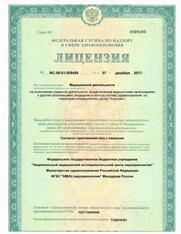
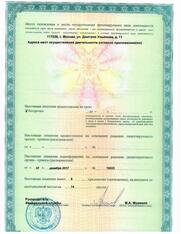
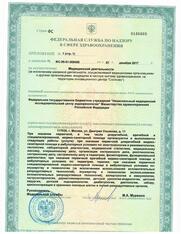
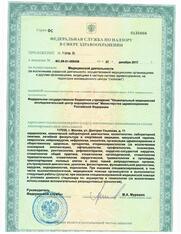
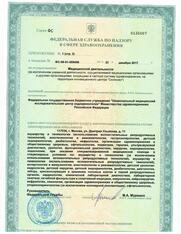
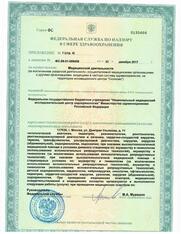
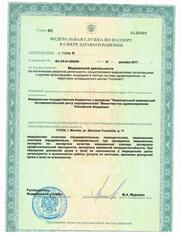
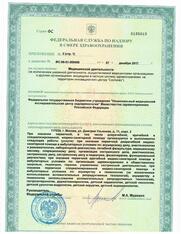
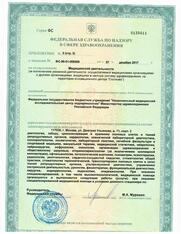
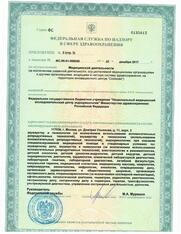
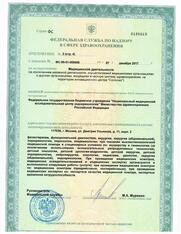
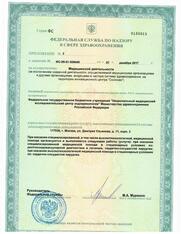
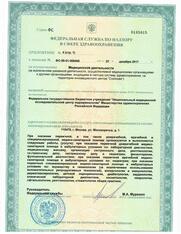
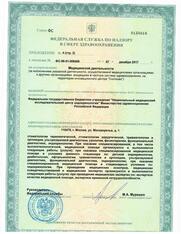
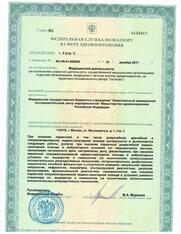
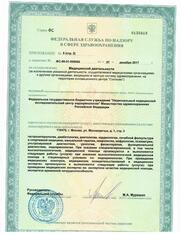
Наша Клиника эстетической медицины и лазерной косметологии – является подразделением ведущего в России и в мире современного медицинского, научного и учебного учреждения – ФГБУ Национального Медицинского Исследовательского Центра эндокринологии МЗ РФ.
Below is a creative descriptive piece written from the perspective of a digital security bulletin or a cyber-noir narrative, highlighting the nature of such a file: The Ledger of Echoes
: Within its digital margins are the ghosts of forgotten passwords—pet names, birth dates, and "123456" variants—paired with the email addresses that serve as the anchors of modern identity.
It sits on a hard drive like a dormant virus, a simple plain-text file titled 170k Fresh MiX HQ Combolist.txt . To the uninitiated, it is a mess of alphanumeric strings and symbols. To the hunter, it is a master key to 170,000 digital lives.
In the silent exchange of data, this file is more than just text; it is a reminder of the fragility of the "Same Password" habit—a 170,000-line testament to why digital hygiene is no longer optional.
: The label "Fresh" acts as a marketing lure in the underground, signaling that these credentials haven't yet been flagged by security systems or had their passwords reset. It represents a brief window of vulnerability.
The phrase refers to a large text file containing approximately 170,000 combinations of usernames and passwords (or email-password pairs). These lists are typically used for "credential stuffing," where automated scripts attempt to log into various websites using leaked data.
: It isn't just one site’s failure; it is a cocktail of breaches. It’s a mix of social media logins, streaming service accounts, and retail profiles, stripped from different corners of the web and distilled into a single, high-quality (HQ) weapon.
: Using or distributing combolists for unauthorized access to accounts is illegal and violates terms of service across all platforms. If you suspect your data is part of such a list, it is highly recommended to enable Two-Factor Authentication (2FA) and use a password manager to create unique credentials for every site.
Below is a creative descriptive piece written from the perspective of a digital security bulletin or a cyber-noir narrative, highlighting the nature of such a file: The Ledger of Echoes
: Within its digital margins are the ghosts of forgotten passwords—pet names, birth dates, and "123456" variants—paired with the email addresses that serve as the anchors of modern identity.
It sits on a hard drive like a dormant virus, a simple plain-text file titled 170k Fresh MiX HQ Combolist.txt . To the uninitiated, it is a mess of alphanumeric strings and symbols. To the hunter, it is a master key to 170,000 digital lives.
In the silent exchange of data, this file is more than just text; it is a reminder of the fragility of the "Same Password" habit—a 170,000-line testament to why digital hygiene is no longer optional.
: The label "Fresh" acts as a marketing lure in the underground, signaling that these credentials haven't yet been flagged by security systems or had their passwords reset. It represents a brief window of vulnerability.
The phrase refers to a large text file containing approximately 170,000 combinations of usernames and passwords (or email-password pairs). These lists are typically used for "credential stuffing," where automated scripts attempt to log into various websites using leaked data.
: It isn't just one site’s failure; it is a cocktail of breaches. It’s a mix of social media logins, streaming service accounts, and retail profiles, stripped from different corners of the web and distilled into a single, high-quality (HQ) weapon.
: Using or distributing combolists for unauthorized access to accounts is illegal and violates terms of service across all platforms. If you suspect your data is part of such a list, it is highly recommended to enable Two-Factor Authentication (2FA) and use a password manager to create unique credentials for every site.