An essay on a specific episode file like isn't just about the plot; it’s about the intersection of global pop culture, technical accessibility, and the enduring legacy of Masashi Kishimoto’s work in the Indian market. The Context: Naruto's Cultural Footprint in India
Depending on the specific streaming or DVD "Season" breakdown (which can vary), Episode 28—titled —takes place during the high-stakes Chunin Exams. Naruto Season 3 Episode 28 in Hindi [1080p].mkv
The specific mention of "[1080p].mkv" highlights the evolution of anime preservation. The original Naruto series was produced in a 4:3 aspect ratio and standard definition. A 1080p version suggests a high-quality upscale or a remaster that cleans up line work and saturates colors for modern screens. The format is the gold standard for fans because it allows for multiple "tracks"—meaning a single file can hold the Hindi dub, the original Japanese audio, and various subtitle tracks, giving the viewer total control over their experience. Conclusion An essay on a specific episode file like
"Naruto Season 3 Episode 28" in Hindi is a microcosm of why the series remains a titan of the genre. It captures a moment of intense growth for the protagonists while showcasing how modern technology and localization have kept a 20-year-old story fresh. Whether it's for nostalgia or a first-time viewing, the combination of high-definition visuals and native language dubbing ensures that Naruto’s "Way of the Ninja" continues to inspire a new generation of Indian fans. The original Naruto series was produced in a
Naruto is more than a show; for many in India, it was the gateway to anime. While the series originally aired in English or Japanese with subtitles, the "Hindi Dub" represents a significant shift in how media is consumed. By translating the journey of a lonely orphan seeking validation into a local tongue, the story becomes more intimate. Hearing Naruto’s iconic catchphrases or Kakashi’s wisdom in Hindi bridges a cultural gap, making the themes of perseverance ( mehnat ) and bonds ( rishte ) resonate more deeply with a domestic audience. The Content: Episode 28 (The Chunin Exams)
The narrative focus is on the Forest of Death, where Team 7 faces its first truly existential threat. This episode is pivotal because it strips away the "classroom" feel of earlier episodes and introduces a darker, more predatory atmosphere. We see the terrifying power of Orochimaru (initially disguised) and the sheer psychological pressure placed on Naruto, Sasuke, and Sakura. For a viewer watching this in 1080p, the visual fidelity enhances the "horror" elements of the forest—the giant leeches, the shadows, and the fluid, high-stakes animation of the early 2000s that still holds up today. The Technical Aspect: 1080p and the MKV Format
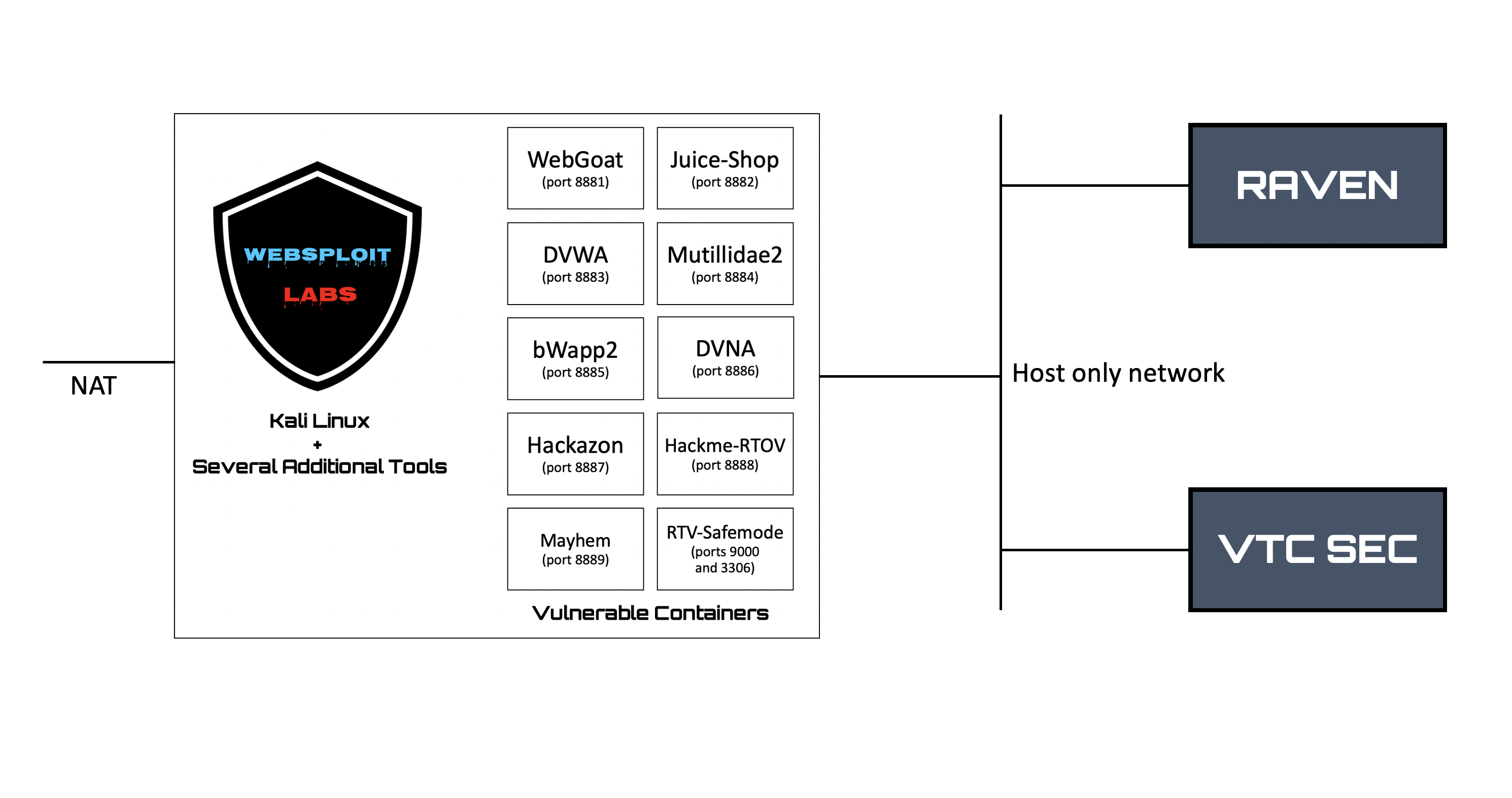
Kali + Additional Tools + Vulnerable Applications in Docker containers...
A vulnerable VM that you will use to perform a full assessment (from reconnassaince to full compromise)
Another vulnerable VM that you will use to perform a full assessment (from reconnassaince to full compromise)
This video explains how to setup the virtual machines in your system using Virtual Box.
The diagram below shows the lab architecture with WebSploit Full version, Raven, and VTCSEC. The VMs were created in Virtual Box. It is highly recommended that you use Virtual Box. However, if you are familiar with different virtualization platforms, you should be able to run the VMs in VMWare Workstation Pro (Windows), VMWare Fusion (Mac), or vSphere Hypervisor (free ESXi server).
You should create a VM-only network to deploy your vulnerable VMs and perform several of the attacks using WebSploit (Kali Linux), as shown in the video above. You can configure a separate network interface in your WebSploit VM to connect to the rest of your network and subsequently the Internet. Preferably, that interface should be in NAT mode.
Stay in Touch with Omar!