epanet-js
No installs. No forced cloud storage. Just fast, local-first water modeling — powered by the engine you already trust.
You shouldn't have to choose between speed, security, and affordability just to understand your water networks.

Share the results to contribute to the collective body of knowledge. Conclusion
Protecting participants is paramount. This includes informed consent , maintaining anonymity/confidentiality , and ensuring no harm (physical or psychological) comes to the subjects. 2. Research Paradigms Research usually falls into one of two philosophical camps:
Group discussions that reveal how people interact and form opinions collectively.
In-depth, one-on-one conversations that allow for detailed personal perspectives.
Researchers strive to remain neutral, ensuring their personal biases or emotions do not influence the data collection or interpretation.
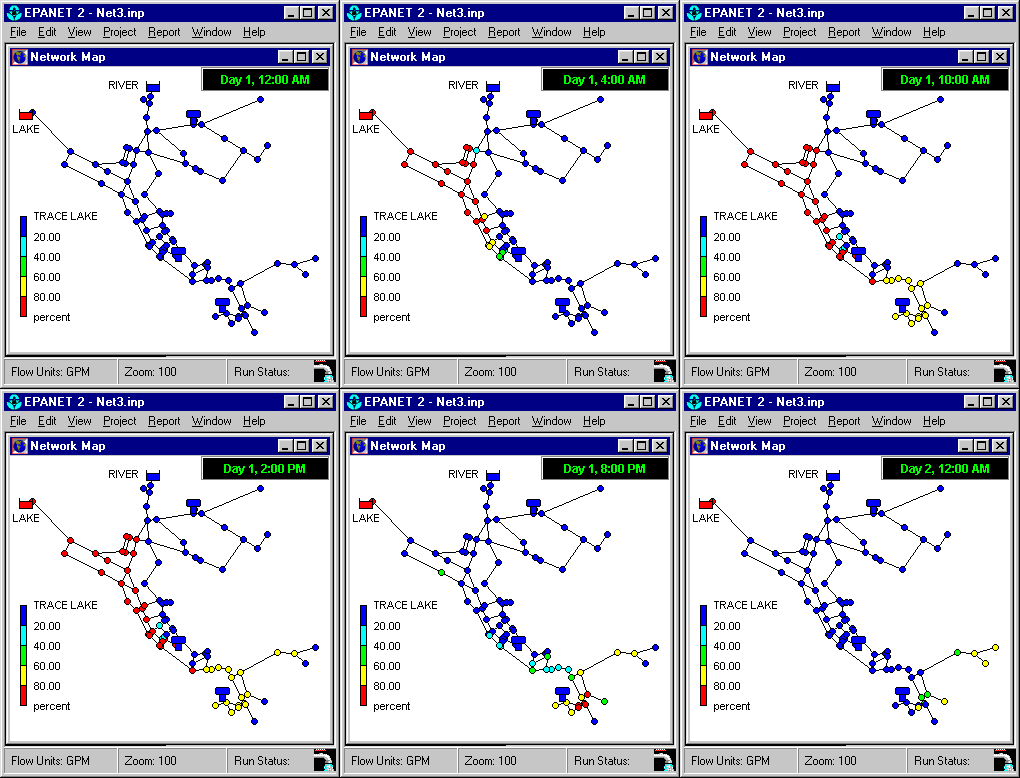
EPANET was a gift to the industry — free, open-source water modeling for all. But commercial vendors built on it, locked away improvements, and left the community behind.
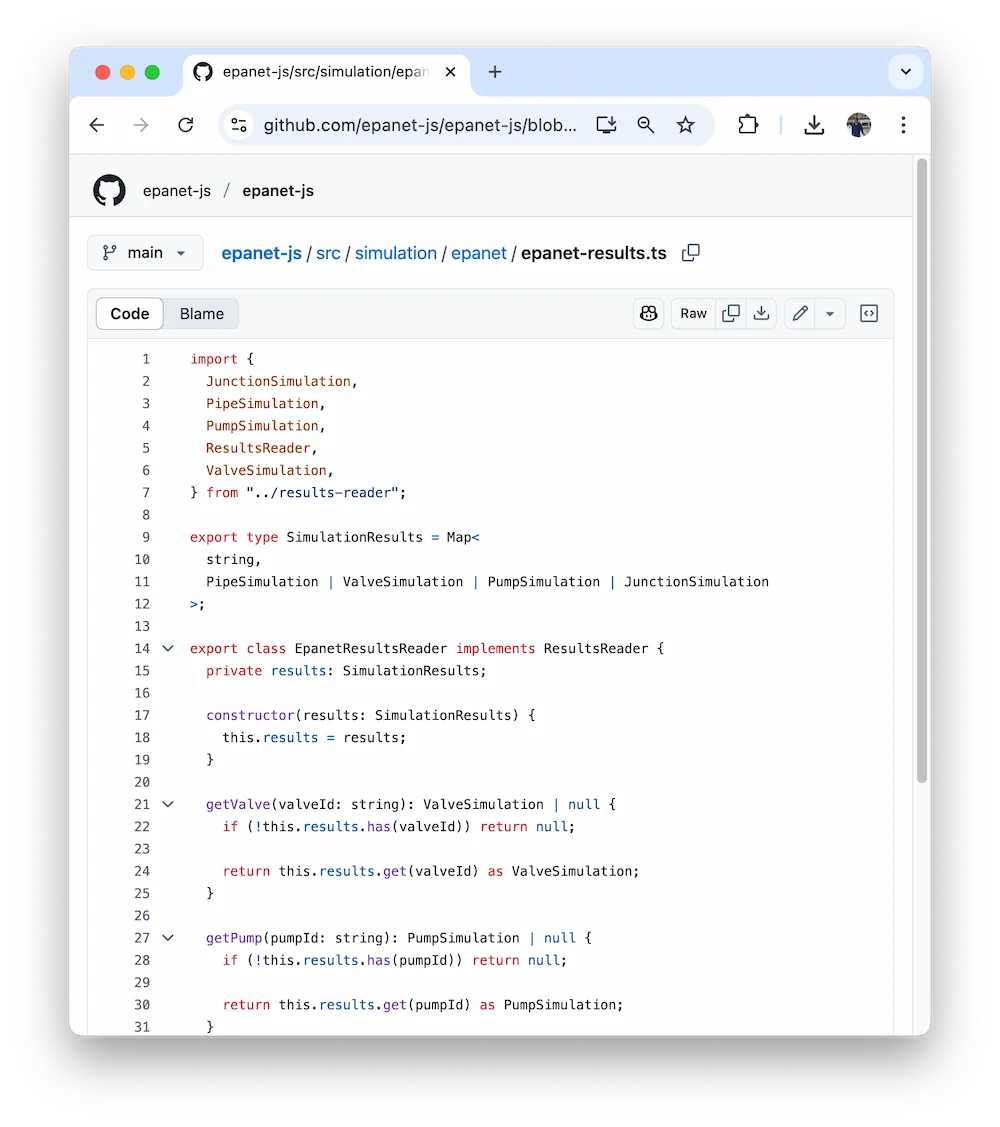
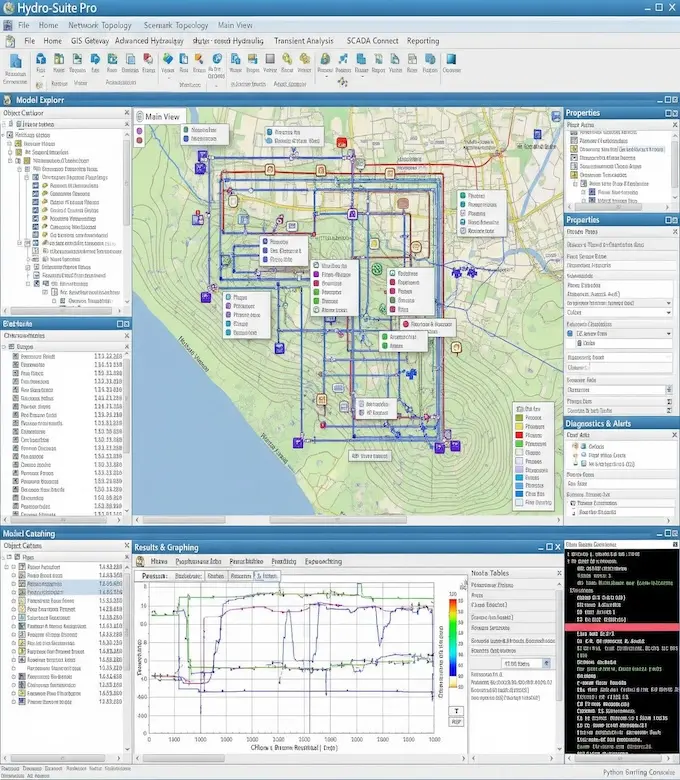
epanet-js is our answer: a faster, simpler, affordable water modeling tool that protects your privacy and sustains the open-source future of water modeling.
We're proud to be part of the next chapter — and we're just getting started.

When you purchase more features in epanet-js, you're investing in the future of open-source EPANET development.
Our open-source model balances innovation and accessibility:
Anyone can build on our code. The two-year commercial-use delay gives us the incentive to keep pushing forward — and that fuels progress for everyone.
That means when you support us, you support more affordable hydraulic modeling software for the entire community.
Choose the plan that works for you
Individual named license
Floating shared license
Have questions? or book a call.
Available for non-commercial projects, learning, and student work.
For curious minds and personal growth.
Free for students and teachers.
Find answers to common questions about epanet-js.
Share the results to contribute to the collective body of knowledge. Conclusion
Protecting participants is paramount. This includes informed consent , maintaining anonymity/confidentiality , and ensuring no harm (physical or psychological) comes to the subjects. 2. Research Paradigms Research usually falls into one of two philosophical camps:
Group discussions that reveal how people interact and form opinions collectively.
In-depth, one-on-one conversations that allow for detailed personal perspectives.
Researchers strive to remain neutral, ensuring their personal biases or emotions do not influence the data collection or interpretation.
Simple, quick, and useful right out of the gate — designed to open-and-go.
Launch epanet-js now