Rescatando Al Soldado Ryan (1998) -
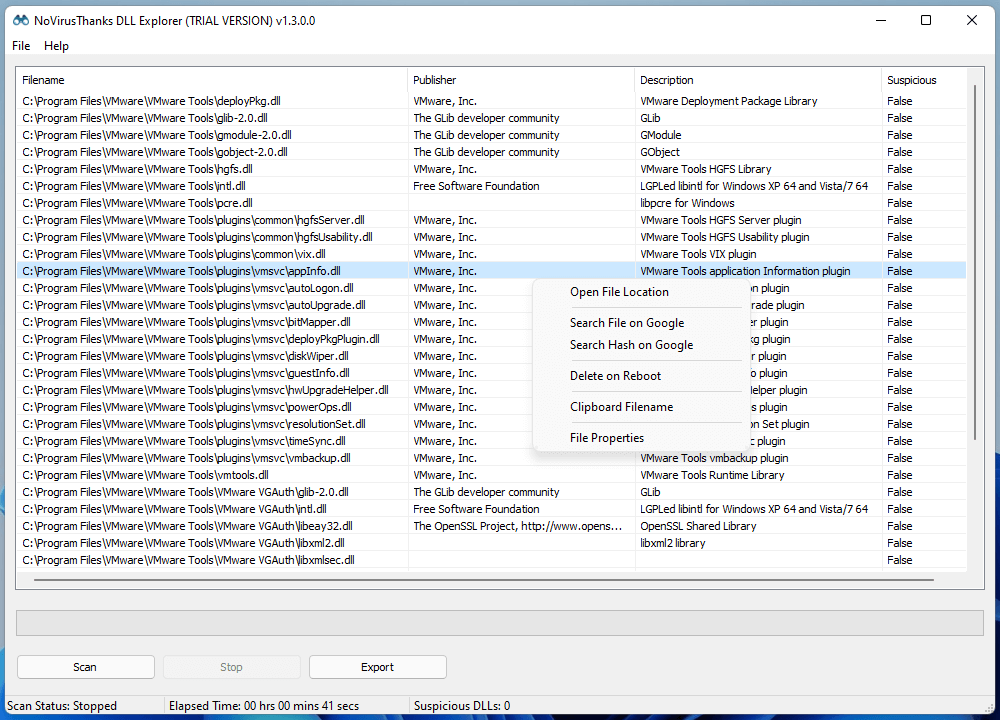
DLL Explorer is a useful utility which lists all loaded DLLs across all
running processes. To simplify the analysis
of loaded DLLs, the program lists only unique and non-system DLL files, along with the file publisher and description.
A one-click save log can also be created making system snapshots simple.
For Windows 7 SP1, 8, 8.1, 10, 11 (32/64-bit)
Rescatando Al Soldado Ryan (1998) -
Rescuing Private Ryan (1998), directed by Steven Spielberg, stands as a landmark achievement in cinema, redefining the war genre through its uncompromising realism and profound moral inquiry. Set against the backdrop of the Allied invasion of Normandy during World War II, the film transcends the traditional tropes of heroic combat to explore the heavy psychological and ethical toll of war. By grounding its narrative in the visceral experience of the common soldier, Spielberg creates a powerful meditation on the value of a single life amidst the industrial-scale slaughter of global conflict.
The film’s opening sequence, depicting the landing at Omaha Beach, is widely regarded as one of the most intense and authentic portrayals of combat ever filmed. Eschewing the romanticized "glory" of older war movies, Spielberg uses handheld cameras, desaturated colors, and a chaotic soundscape to immerse the audience in the terrifying disorientation of the D-Day invasion. This technical mastery serves a thematic purpose: it strips away the myth of the clean, noble death, replacing it with the grim reality of fear and chance. This jarring introduction ensures that when the central mission is introduced—to find and bring home Paratrooper James Francis Ryan—the stakes are understood not as a grand adventure, but as a perilous trek through a literal graveyard. Rescatando al soldado Ryan (1998)
At the heart of the film is the ethical dilemma posed by the mission itself. Captain John Miller, played with weary gravitas by Tom Hanks, leads a squad of eight men into enemy territory to save one man. The men naturally question the logic of the "math": why are eight lives being risked to save one? This tension drives the film’s character development, particularly as the squad members reflect on their lives back home and the sense of duty that keeps them moving forward. Spielberg uses this specific quest to represent the broader paradox of war—the attempt to preserve humanity and individual worth within a system designed for mass destruction. Rescuing Private Ryan (1998), directed by Steven Spielberg,
In conclusion, Rescuing Private Ryan is far more than a technical masterpiece of action filmmaking. It is a deeply humanist work that honors the bravery of the "Greatest Generation" while acknowledging the senselessness and brutality of their environment. Through its focus on the "mission within the war," the film asks timeless questions about sacrifice, leadership, and the debt the living owe to the fallen. Decades after its release, it remains a definitive exploration of the American experience in World War II and a poignant tribute to the high cost of freedom. The film’s opening sequence, depicting the landing at
The film’s emotional resonance culminates in the realization that the mission is about more than just a military order; it is about the legacy of those who serve. The dying Miller’s final words to Ryan—"Earn this"—shift the burden of the mission from the rescuers to the rescued. This command transforms Ryan’s life into a living memorial for the men who died for him. The framing device of the film, featuring an elderly Ryan at the Normandy American Cemetery, underscores this theme of survivor’s guilt and the lifelong struggle to be worthy of the sacrifices made by others.